
Personal injury investigation services involve examining facts and circumstances relevant to an injury claim. Depending on the assignment, this may include surveillance, activity checks, witness interviews, accident-related inquiries, and documentation of relevant findings.
Personal Injury Investigation Services for Clearer Case Facts
Personal injury claims can involve conflicting accounts, disputed circumstances, and questions about what happened before or after an incident. Establishing relevant facts can help attorneys, insurers, and other parties evaluate a claim and determine what additional information may be needed.
Culper Intelligence Group provides private investigative services for legal and other matters. Its personal injury investigation services can help examine reported injuries, investigate relevant activities, and clarify circumstances surrounding an incident. Depending on the case, investigative work may include surveillance, interviews, activity checks, and documentation of relevant findings. Each assignment is tailored to the questions that need answering and the methods appropriate to the circumstances.
What Is a Personal Injury Investigation?
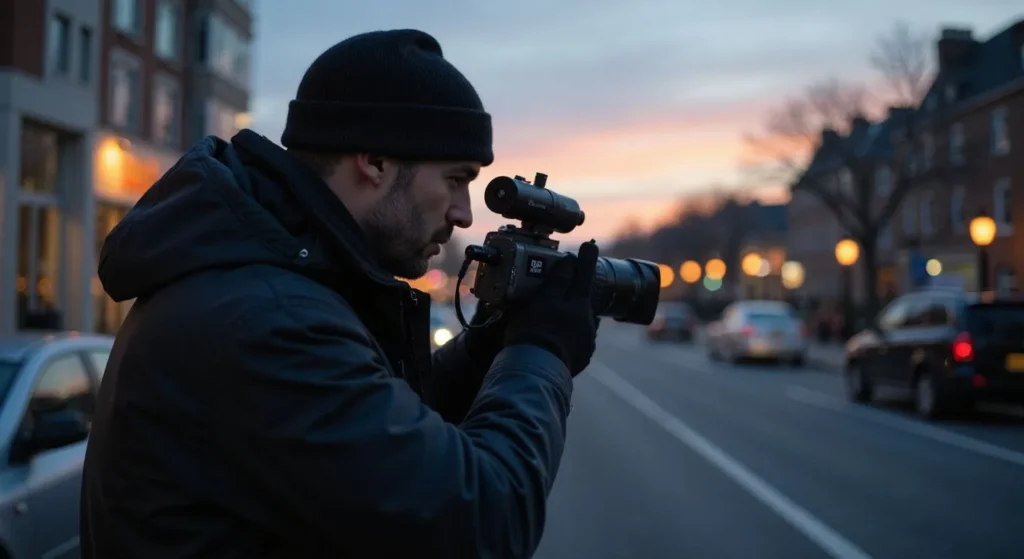
A personal injury investigation examines facts and circumstances relevant to an injury claim. It may help clarify how an incident occurred, identify relevant witnesses, or examine inconsistencies between reported limitations and observed activities.
These investigations may be relevant to claims involving vehicle collisions, premises-related incidents, workplace injuries, or other situations in which someone alleges that an injury resulted from another party’s actions or negligence.
Culper Intelligence Group lists personal injury investigations among its services, including surveillance, interviews, and activity checks. The company also describes accident-related work involving scene documentation, photographs, and witness information. The specific methods used depend on the nature of the case and the agreed scope of the investigation.
The purpose is to gather and assess relevant information—not to assume that a claim is valid or invalid. Findings should be based on available evidence and interpreted in context.
When Might You Need Personal Injury Investigation Services?
Personal injury claims can raise questions that require additional fact-finding. An investigation may be appropriate when important details remain unclear or when relevant information needs to be independently examined.
Personal injury investigation services may be useful in situations such as:
- Disputed incident details: When accounts differ about how an accident or injury occurred, an investigation may help clarify relevant circumstances.
- Activity-related questions: Lawfully conducted surveillance or activity checks may help document observed activities relevant to specific questions about a reported injury.
- Witness information: Interviews with relevant witnesses may provide additional context about an incident or the events surrounding it.
- Conflicting information: When statements, observations, or other available evidence appear inconsistent, further investigation may help clarify what can be supported.
- Accident-scene documentation: Photographs, physical observations, and witness information may help preserve relevant details when an incident scene can be examined appropriately.
A discrepancy or unanswered question does not, by itself, establish fraud or wrongdoing. Investigative findings should be evaluated objectively, with attention to the limits of the available evidence.

What Can a Personal Injury Investigation Involve?
The scope of an investigation depends on the client’s objectives, the nature of the incident, and the information that can be lawfully obtained. Depending on the assignment, investigative work may involve:
- Surveillance and activity checks: Documenting relevant activities when appropriate to the case and permitted by applicable law.
- Witness interviews: Seeking information from individuals who may have relevant knowledge of the incident or surrounding circumstances.
- Accident-scene inquiries: Examining accessible incident-related details and documenting relevant observations, which may include photographs or witness information.
- Review of inconsistencies: Comparing relevant accounts and observations to identify questions that may require further examination.
- Documentation of findings: Organizing information gathered within the agreed scope so authorized clients can evaluate its relevance.
These are examples of methods CIG describes for personal injury and related accident investigations, not a guarantee that every method is included in every assignment. The proposed scope, available methods, and expected deliverables should be discussed before work begins.
Investigative findings also have limitations. Surveillance records only what is observed during the relevant period, witness accounts may differ, and some questions may remain unresolved. Observed activity does not, by itself, establish medical causation or prove that a person is not injured.

Choosing a Personal Injury Investigator in Virginia
Selecting an investigator for a personal injury matter requires attention to experience, discretion, objectivity, and the needs of the case. Clients should understand what the investigation is intended to establish and how the findings may support the broader legal or claims process.
A personal injury investigator in Virginia should conduct investigative activities within applicable legal and privacy requirements. Surveillance and interviews must be appropriate to the assignment, and findings should be presented objectively rather than shaped around a predetermined conclusion.
Culper Intelligence Group is led by President and CEO Ronald J. Lowe, whose published professional background includes more than 35 years of investigative experience, including a 20-year career as a retired NYPD 2nd Grade Detective. The company lists Virginia among its licensed jurisdictions and emphasizes discretion, integrity, and professional fact-finding.
Before proceeding, clients should discuss the specific questions involved, the proposed investigative scope, and how findings will be communicated. For matters involving active litigation or an insurance claim, coordination with the appropriate attorney or claims professional may help ensure that the investigation addresses relevant questions.

How Investigation Findings Can Support Claim Evaluation
Accurate information can help attorneys, insurers, and other authorized parties assess the circumstances surrounding a personal injury claim. Relevant findings may clarify disputed details, preserve information about an incident, or provide context for questions raised during a case.
Professional personal injury investigation services support fact-finding; they do not replace legal judgment or medical evaluation. The significance of a photograph, witness statement, surveillance observation, or other finding depends on the evidence and the context in which it is considered.
A careful investigation should distinguish direct observations from information obtained from others and from matters that remain uncertain. This approach supports a more transparent, evidence-based evaluation without promising a particular claim outcome.

Discuss Your Personal Injury Investigation Needs
If you need help clarifying facts surrounding an alleged injury or disputed incident, Culper Intelligence Group can discuss your concerns and the investigative options that may be appropriate.
Explain the circumstances of the case, the questions that remain unanswered, and any relevant information already available. This discussion can help establish a focused scope and realistic expectations for the investigation.

Frequently Asked Questions
Frequently Asked Questions
You may consider an investigator when important facts surrounding an injury or accident remain disputed or require further examination. The appropriate timing and scope depend on the case and should be discussed with the relevant legal or claims professional.
Not on its own. Surveillance documents activities observed during a particular period, but those observations do not necessarily establish a person’s medical condition, limitations, or ability to perform other activities. Findings must be interpreted in context.
An investigation may help clarify relevant facts, but it does not independently determine legal liability. Responsibility depends on applicable law and the evidence considered in the broader claims or legal process.
Begin by explaining the incident, the questions that need answering, and any relevant information already available. Culper Intelligence Group can discuss the circumstances and the potential scope of an investigation.